The power of storytelling – why reading aloud matters in the early years

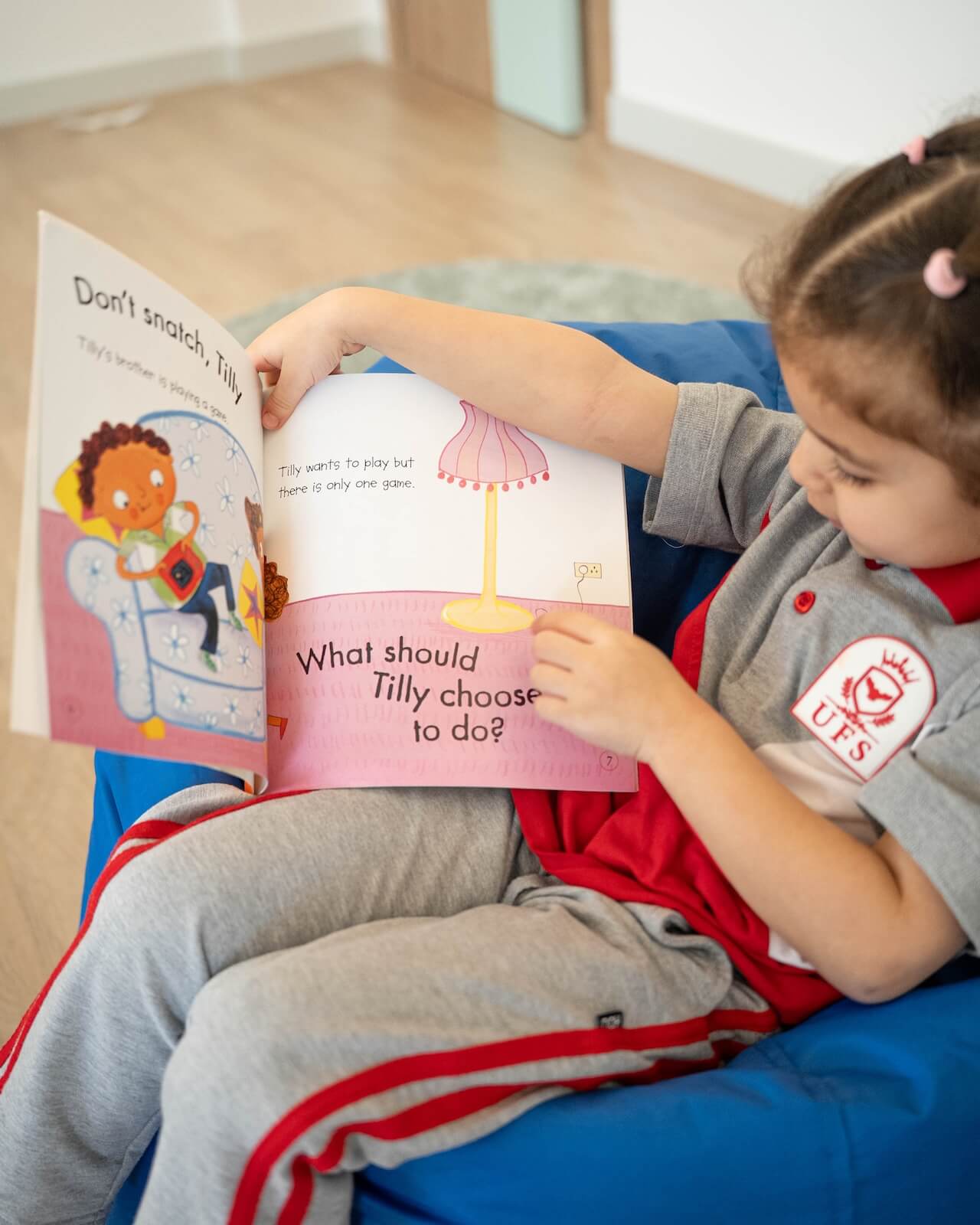
This month, our preschool is delighted to welcome grandparents into our learning community to share stories with the children. This special initiative celebrates not only the joy of reading together, but also the powerful role storytelling plays in children’s early learning and development. Long before children learn to read independently, listening to stories read aloud lays the foundation for language, thinking, and emotional wellbeing. Reading aloud is one of the most meaningful and effective ways to support young children’s development in the early years.


Language and early literacy development

When children listen to stories, they are immersed in rich language. They hear new words, varied sentence structures, and the natural rhythm and sounds of speech. This exposure goes far beyond everyday conversation. Studies in early literacy development show that children who are read to regularly develop stronger vocabulary, improved listening skills, and a deeper understanding of how language works. These early experiences support children in making sense of spoken and written language and provide a strong foundation for later reading and writing.

Brain development and thinking skills

Storytelling also plays an important role in children’s cognitive development. As children follow a story, they practise concentration, memory, and sequencing, learning to understand what happens first, next, and last. They begin to predict events, make connections, and reflect on cause and effect. Neuroscience research shows that listening to stories activates multiple areas of the brain at once, supporting imagination, reasoning, and flexible thinking. These skills are essential not only for literacy, but for learning across all areas.

Emotional and social learning

Stories offer children a safe and meaningful way to explore emotions, relationships, and social situations. Through characters and narratives, children learn to recognise feelings, understand different perspectives, and develop empathy. They also encounter challenges and solutions, helping them practise problem-solving and emotional expression. Shared reading experiences encourage turn-taking, attentive listening, and thoughtful conversation, strengthening children’s social skills and sense of belonging within a group.

The special role of grandparents

When grandparents read to children, storytelling becomes especially powerful. Intergenerational reading builds strong emotional connections and offers children a sense of continuity, identity, and cultural belonging. Grandparents bring their own stories, voices, and life experiences, enriching the children’s understanding of family, tradition, and history. Research highlights that these warm, shared moments support children’s emotional security and confidence, helping them feel valued and supported as learners.

Creating a love for reading

Perhaps most importantly, reading aloud helps children associate books with pleasure, comfort, and connection. In a calm and caring environment, shared stories nurture positive feelings toward books and spark curiosity, laying the foundation for a lifelong love of reading and learning.

Reading aloud with grandparents takes this even further, strengthening early literacy, cognitive and emotional skills, and intergenerational bonds. We are deeply grateful for their time, voices, and stories, which help us create a rich, inclusive, and nurturing learning environment for every child.